
Earthquakes are destructive natural disasters that can strike without warning, disrupting lives and devastating communities. Thousands of tiny earthquakes occur every day across the U.S., but every once in a while, a large one strikes, leaving unprepared homes at high risk.
Earthquakes are especially common in states like California, Oregon, and Washington. However, they can strike throughout the United States, so regardless of where you live, it’s essential to be prepared.
Please read on to learn how to prepare your home for an earthquake.
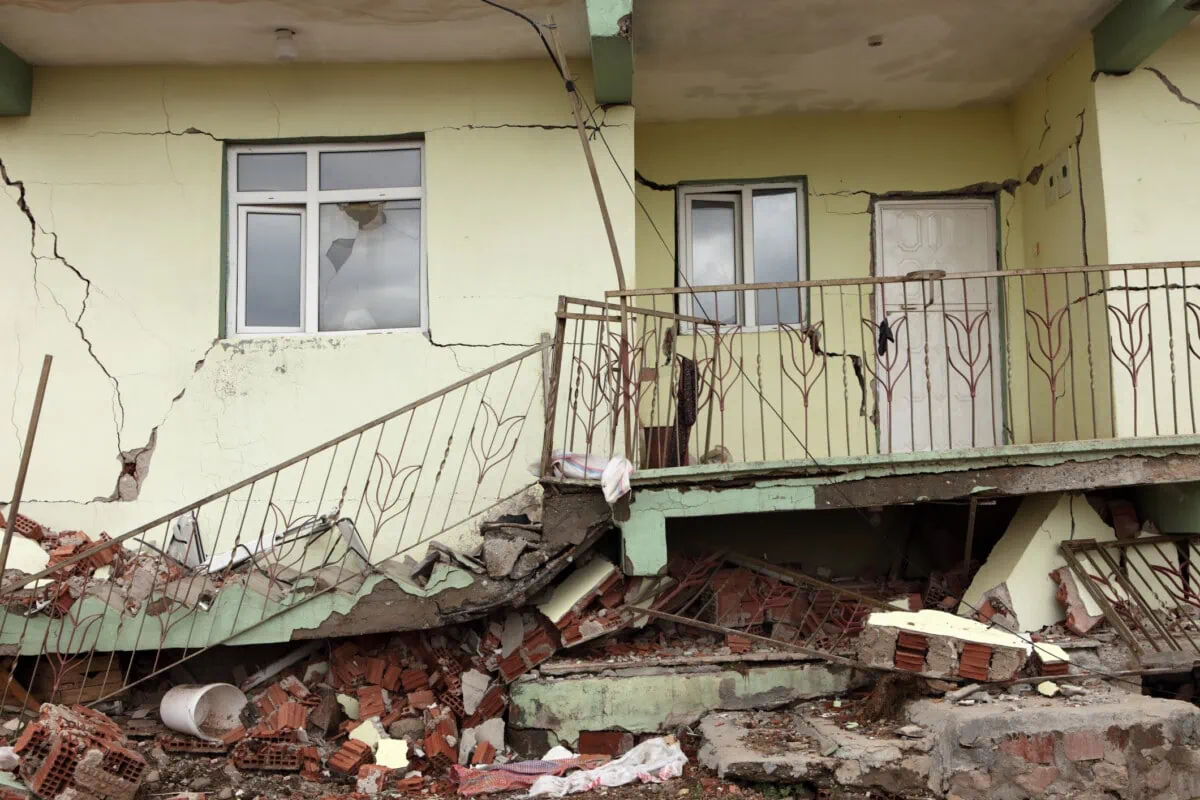
What is an earthquake?
An earthquake is a natural phenomenon that occurs when there is a sudden release of energy in the Earth’s crust, resulting in the shaking or trembling of the ground. This release of energy is usually caused by the movement of tectonic plates, which make up the Earth’s outer shell.
Earthquakes are often composed of three events: foreshocks, mainshocks, and aftershocks.
- Foreshocks: These are smaller shakes that precede mainshocks in the same location. A foreshock is only categorized as such if a larger earthquake occurs after it.
- Mainshocks: These are the largest shaking events and are usually referred to as the ‘earthquake’.
- Aftershocks: Aftershocks occur after the mainshock and are typically 1.2 magnitude units smaller than the mainshock. Aftershocks can last for days to even years following the mainshock. Importantly, if the mainshock was particularly strong, aftershocks can still be destructive, but their severity will decrease as time passes.
How to measure earthquake strength
Earthquake strength is measured using one of two seismic scales: The Richter Scale (ML), and Moment Magnitude Scale (Mw). These scales quantify the energy and shaking released by an earthquake, which we call magnitude (M). Let’s break them down:
- Richter Scale (ML): The Richter Scale was one of the earliest methods for measuring earthquake magnitude. However, due to its limitations, especially with measuring different frequencies and distance ranges, the Richter Scale was almost entirely replaced by the Moment Magnitude Scale.
- Moment Magnitude Scale (Mw): Moment Magnitude is how we measure earthquake strength today. As opposed to the Richter Scale which uses three different magnitude scales, Moment uses a uniform scale (and complex math) that takes into account all measures of magnitude for earthquakes of any size and strength.
Importantly, all measures of earthquake magnitude are logarithmic, meaning each whole number increase in magnitude (i.e. M5 to M6) represents a tenfold increase in magnitude and 32 times more energy release. This is why M5.5 earthquakes and below are generally barely felt, whereas M6 and above can be very destructive.
In general, anything above M7 can be catastrophic. For reference, the Cascadia Subduction Zone earthquake, which is predicted to occur within the next 100 years, will likely be M8.5 or greater. It’s also nearly impossible to predict when an earthquake will strike, so it’s essential to always be prepared.
Read on to learn how to prepare your home for an earthquake.
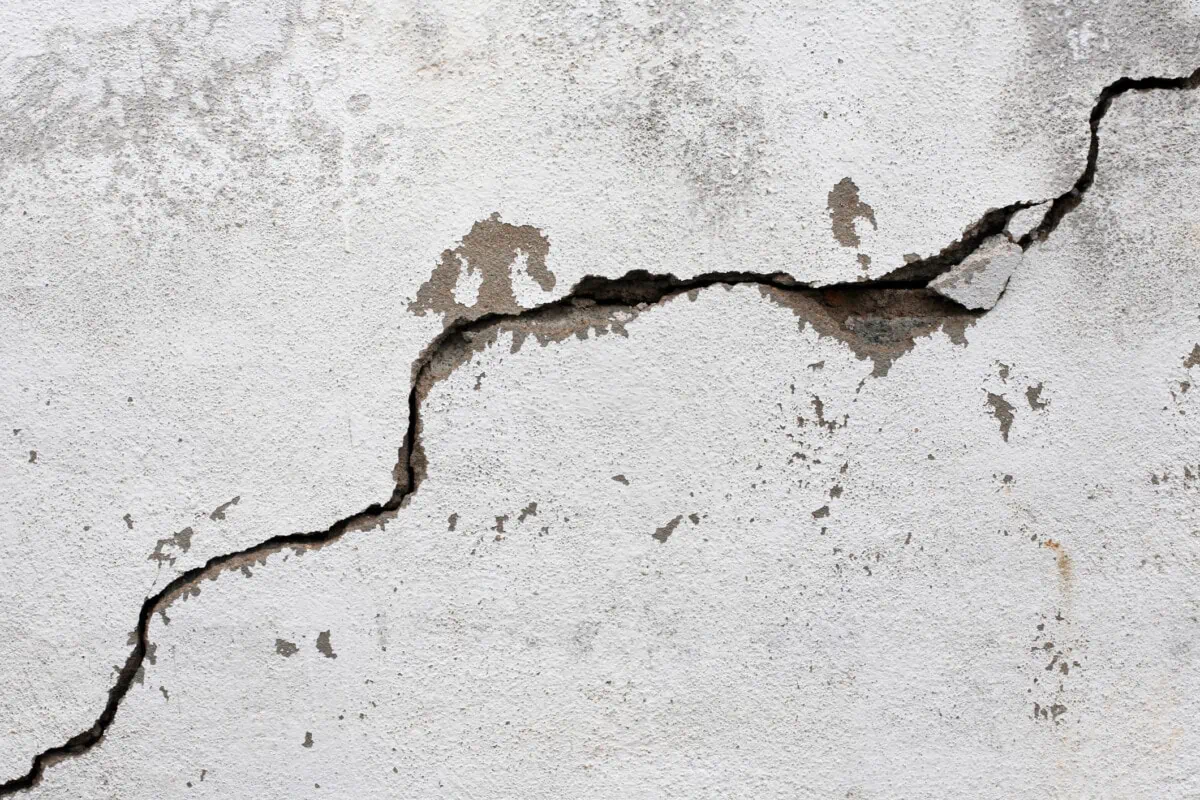
How to prepare your home for an earthquake
1. Create an emergency plan
The first step should be to prepare yourself and your family for potential disaster. Develop an emergency plan that includes a designated meeting place, instructions on how to turn off utilities, and earthquake safety procedures like “Drop, Cover, and Hold On.” You should also be familiar with emergency evacuation routes, especially if you live near the coast and are at risk of tsunamis.
2. Talk with your landlord
If you live in a rental, talk with your landlord or management company about whether your rental home has been reinforced for earthquakes. Possible questions to ask include:
- When was the building built?
- Has it been retrofitted? This is especially important if your home was built before 1980.
- What kind of soil is underneath the building?
- Does the building have earthquake insurance?
Review your state’s tenant law to ensure your home is in compliance and nothing is faulty or at extra risk of breaking.
3. Keep a clear path
Make sure your home has at least two accessible exits so you can quickly leave in case of an earthquake.
4. Build an emergency kit
Assemble an earthquake emergency kit containing essentials like water, non-perishable food, first-aid supplies, hygiene items, flashlights, batteries, communication devices, portable shelter, warmth, and important documents, and store it in an accessible location. Your kit should be able to sustain you and your family for at least 72 hours, but ideally seven to ten days.

5. Retrofit your home
If your house was built before 1980, it will likely need to be retrofitted. Your home may need additional retrofitting regardless of when it was built, as well. You can do this by anchoring your home to its foundation, repairing deep ceiling and foundation cracks, and installing additional support if your home is on a hillside. This can be an in-depth and expensive process, so take your budget into account and hire a professional to ensure the job is done correctly.
6. Anchor large furniture
Anchor large furniture into the wall or ground, such as bookshelves, cabinets, television units, wardrobes, and other large items. If you can’t anchor a piece of furniture, relocate it to an area of the home where they’re less likely to fall on someone. Always anchor items into wall studs when possible using latches, screws, bolts, or furniture straps. You should also secure large objects like statues and vases to the wall or ground.
7. Secure fixtures, electronics, and other valuables
Items such as ceiling fans, picture frames, lamps, potted plants, televisions, and other electronics are at a high risk of falling during an earthquake, which can cause serious harm. Safeguard these fragile and valuable items by affixing them to shelves or surfaces using putty, closed hooks, or earthquake-resistant adhesives. If possible, secure them into wall studs or relocate them to less dangerous areas.
8. Relocate heavy objects
Unsecured items located at least four feet off the ground are at risk of falling off of a shelf or cabinet during an earthquake, possibly causing harm. Relocate them to lower shelves or on the floor.

9. Latch your cabinets
Make sure your cabinets and drawers stay closed during an earthquake by installing latches to prevent items from spilling out. This is especially important for your kitchen, where people usually keep breakable belongings. You can also prevent kitchenware and other commonly used glassware from sliding around using simple DIY techniques, or by hiring a professional.
10. Secure water heaters
Water heaters are usually connected to both water and gas lines, which makes them incredibly dangerous due to potential flooding and fires. Fasten them to walls using straps and make sure the pipe connections are flexible. Importantly, your jurisdiction may have specific requirements for strapping your water heater, so make sure to follow all requirements as necessary.
11. Reinforce your windows
Windows are highly susceptible to shattering during an earthquake. You can reduce the risk of this happening by installing shatter-resistant windows films or clips. However, do not modify your windows or panes in a way that makes them fall as a single unit, as this can cause even more damage.

12. Store flammable and toxic substances
Many common household items are dangerous, especially when mixed or spilled during an earthquake. Examples include aerosol sprays, fresheners, chlorine bleach, synthetic detergents and cleaners, rug and upholstery cleaners, furniture polish, and oven cleaners. Store all possibly dangerous items in a secure location.
13. Secure decks, porches, and outdoor furniture
Anchor anything outdoors that is attached to your home or can cause damage during intense shaking. Examples include decks, porches, carports, canopies, lawn chairs, outdoor appliances, lighting, and more.
14. Keep gas and water lines flexible
Ensure your gas and water line connections are flexible when they connect to your home to prevent them from breaking. You can also do this inside your home where pipes connect to water heaters, air conditioners, fireplaces, refrigerators, dishwashers, and more.
15. Consider earthquake insurance
It may be helpful to purchase earthquake insurance so you have more peace of mind when a quake hits. Earthquake insurance is not standard on any insurance plan, and is usually added to your existing homeowner or renters policy. You can also have a separate policy. Specifics vary by state.

16. Make a list of your home’s belongings
Documenting your belongings can help expedite the insurance claims process after an earthquake hits. You can document items by pen and paper, but using photographic and video proof can be a better idea. Insurance companies call this a “home inventory.”
Final thoughts on preparing your home for an earthquake
Preparing your home for an earthquake can be a long and stressful process, but it’s vital to ensure you and your family’s safety. While these 16 steps can help, your local government may have additional building codes, requirements, and suggestions.
During the process, it may be helpful to review the Federal Emergency Management Agency (FEMA)’s Earthquake Safety Checklist. Your local area may have additional rules and regulations, especially if you live in an earthquake-prone area.


Leave a Reply