
Wildfires are destructive and can be catastrophic for homeowners, especially those who are lower income. And unfortunately, fires are getting more frequent, larger, and stronger. The wildfire season in the western US has increased by more than 100 days since 1970, along with larger and more frequent fires. These fires are expensive, too; from 2017-2021, they have cost governments more than $90 billion and have dramatically altered landscapes in forests across the country. As such, it’s important to be prepared.
Climate change is accelerating, helping to prolong and intensify droughts and heat waves throughout the country. This creates a greater risk for wildfires anywhere in the US. So no matter where you live, read on for essential tips from Redfin to learn how to prepare for a wildfire.

1. Clear the ignition zones around your home
First, it’s essential to create defensible zones around your home to reduce the fuel sources for a wildfire. This is called the Home Ignition Zone (HIZ), which is broken up into three subsections ranging from 0-200 feet away from your house. Here’s a quick breakdown of the zones.
Immediate zone (0-5 feet)
The immediate zone is the area directly adjacent to your home, including the structure itself and its immediate surroundings. This is the most important zone to take immediate action on. Make sure to clear your house first and then work your way around your property. The goal of this zone is to eliminate fire risk as completely as possible.
- Keep this zone free of all flammable vegetation and materials, especially anything underneath decks and between cracks in patios. Ideally, you shouldn’t have any vegetation in this zone.
- If you have trees with long branches, make sure none of them get within five feet of your home.
- Clean roofs and gutters regularly to prevent a buildup of flammable debris.
- Use non-flammable landscaping materials and high-moisture-content plants.
- Store firewood, propane tanks, and other flammable materials away from this zone.
- Make sure your home siding is at least six inches off the ground.
Intermediate zone (5-30 feet)
This zone acts as a buffer and is primarily focused on landscaping and creating breaks that can reduce fire spread. Depending on where you live, it may still be beneficial to keep vegetation to a minimum.
- Use “fire-resistant” plants that are strategically spaced to prevent the fire from spreading continuously.
- Remove dead vegetation and prune trees regularly to keep them away from the ground (creating a separation between low-level vegetation and tree canopies).
- Space trees so they have a minimum of 18 feet between crowns and are no closer than ten feet from your home.
- You can have grass in this area, but it should be mowed to a maximum of four inches.
- If possible, create breaks with driveways, walkways, and lawns.
Extended zone (30-100 feet, 200 feet in sloped areas)
The goal of this zone is to disrupt a fire’s path, not eliminate it entirely. Landscaping should be maintained, but doesn’t necessarily have to be fire-resistant.
- Remove ladder fuels (vegetation that can carry a ground fire to treetops) by pruning and maintaining space between shrubs and trees.
- Remove any vegetation adjacent to sheds or other small structures within this area.
- Keep grass and other vegetation mowed to a short height.
- Regularly remove dead plant and tree material.
- Keep at least 6-12 feet between the canopy tops of trees.
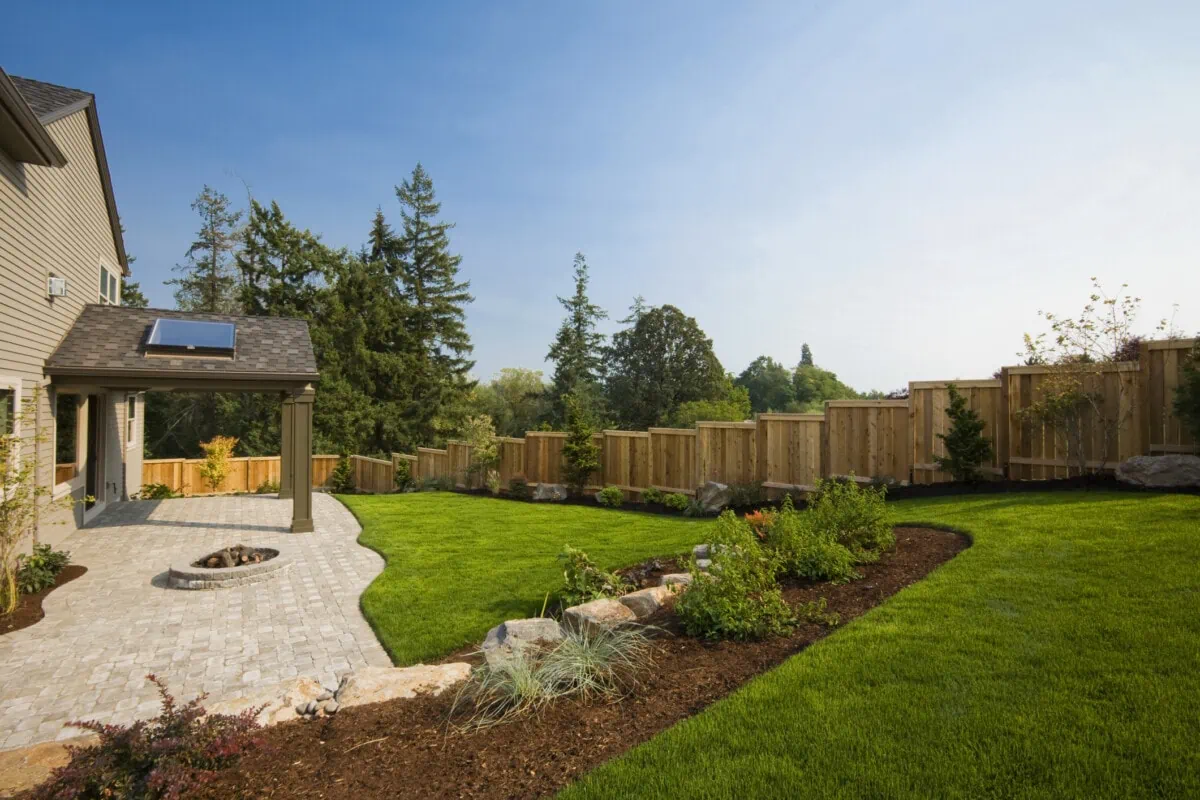
2. Update your landscaping
Landscaping plays a crucial role in preparing for a wildfire, especially in areas prone to wildfires, like San Bernardino and Riverside counties. Apart from creating a defensible space using the HIZ, there’s a lot you can do. Here are a few suggestions.
- Plant selection: Opt for fire-resistant plants that are native to your region. These plants typically have a high moisture content, are low-growing, and don’t accumulate dead branches or leaves. Examples include succulents, some species of rockrose, lavender, and yarrow. Avoid plants that produce resins, oils, or waxes, as they can be highly flammable.
- Hardscaping: Use hardscaping elements like stone walls, pavers, concrete pathways, and patios to create firebreaks in your yard. These non-flammable elements can act as barriers, slowing or stopping the progress of a fire, and are great elements to add to your intermediate zone.
- Water features: Water features aren’t viable for every home, especially if you live in a drought-ridden region. However, if you are able to install them, consider ponds, streams, fountains, or even birdbaths. These can act as barriers to wildfires and can be a water source for firefighting if needed.
- Yard equipment: Avoid storing equipment with fuel still in the tank, such as lawnmowers, chainsaws, leaf blowers, and other gas-powered tools.
3. Use fire-resistant building materials
You can retrofit your home to prepare it for a wildfire, but installing fire-resistant materials at the outset is much more cost-effective.
Regardless of when you fireproof your home, it’s important to note the Flame Spread Index, which measures how far and how fast flames spread across the surface of a material. There are three ratings from best to worst: Class 1 (A), Class 2 (B), and Class 3 (C). Ideally, most of your home would exclusively contain materials in the Class 1 and 2 categories.
Ensure you never use non-treated materials, especially not fiberboard, hardboard, and plywood. Additionally, some types of wood are more flammable than others, such as pine, oak, and douglas fir. Here’s a list of essential fire-resistant building materials to consider.
- Roofing and siding: Metal sheeting, fiber cement, slate tiles, fiberglass-based asphalt shingles, and brick and stone. Brick and metal are some of the most fire-resistant materials commonly available.
- Decking and framing: Composite wood, Structural Insulated Panels (SIPs), aerated concrete, steel, and Fire-Retardant Treated (FRT) wood. You can treat wood after installation, as well as purchase pre-treated wood.
- Windows and doors: Insulated, double pane, tempered glass windows; steel; fiber-cement; and fire-rated wooden doors. Fire-rated doors have cores that can limit fire and smoke for up to three hours, although 20 minutes is the most common. If you have a garage door, metal is the best choice.
- Insulation: Fiberglass, radiant/reflective barriers, foam, and mineral wool. There are many types of wool to choose from, including glass, rock, and slag. It’s also important to note that reflective foil insulation conducts electricity.

4. Consider Insulated Concrete Forms (ICFs)
Insulated Concrete Forms (ICFs) are a material and system that consists of hollow blocks or panels made of insulating materials, which are stacked to form the shape of the walls of a building. Once in place, these forms are filled with concrete, creating a solid, insulated wall system. ICFs are extremely energy efficient, durable, and resistant to various natural disasters, including wildfires.
ICFs have unique properties that can withstand wildfires for up to four hours. While a bit more expensive than traditional wood, if you’re building a new home, ICF may be the most fire-safe option.
5. Install fire alarms and monitors
Your next step should be to know when a fire is happening in your home. In the case of a wildfire, you’ll likely know when it’s coming, but it’s still useful to install alarms and protection, so you can help limit the spread to other homes. And without fire detection, you are at increased risk of harm and damage to your home.
- Smoke detectors: Smoke detectors are legally required. Ensure you have working detectors in every room of your home, test them monthly, and replace batteries annually. Make sure to follow your local building codes when installing and maintaining detectors.
- Heat sensors: These can detect unusual spikes in temperature and can be especially useful in garages or workshops where you might store flammable materials.
- Remote monitoring: Some smart security systems can pair with smart smoke and carbon monoxide detectors to offer remote fire monitoring, allowing you to be alerted even if you’re not home. This can be crucial for early detection and response.
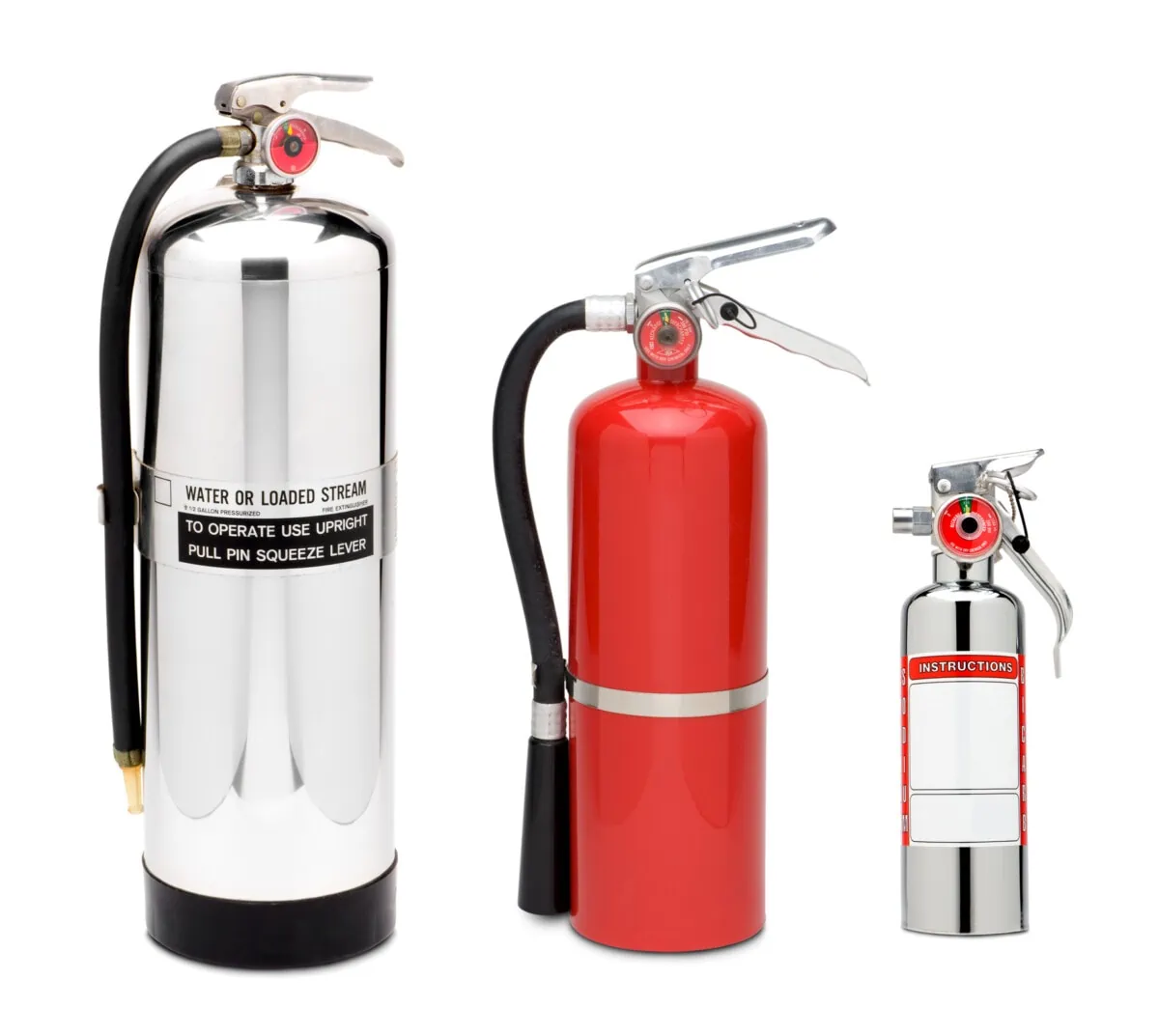
6. Purchase and maintain fire extinguishers
Home fire extinguishers may not be useful for large wildfires, but they can help suppress a fire and prevent it from spreading further. While not required for one- and two-family homes, they are invaluable tools.
Maintaining extinguishers is crucial. Every month, check the pressure gauge to ensure it’s in the “green” zone. And once per year, have a professional inspect it. After any use, recharge or replace the extinguisher. Over time, even if unused, extinguishers degrade; typically, you should have them served every six years and replaced every twelve
7. Invest in a home sprinkler system
Home sprinkler systems can be an invaluable tool to reduce your risk of fire damage inside and outside your home. There are two types of sprinkler systems that can be useful during a wildfire: interior and exterior.
Home sprinkler systems are similar to those found in commercial buildings but are tailored for residential environments. They can play a crucial role in saving lives, reducing property damage, and providing an added layer of safety to homeowners. Homes that had
Exterior sprinkler systems, sometimes called “wildfire sprinkler systems” or “defensible space sprinklers,” are designed to wet the home and its immediate surroundings. This helps prevent wind-blown embers, radiant heat, and direct flame contact.
The benefits of these systems usually outweigh the costs of installation and use, as damage from a fire or firefighters is often far worse. Remember that your system must also be able to deliver water for up to eight hours straight. So if you live in a region parched by drought, this may be impossible. And, if you live in a windy area, an exterior sprinkler system may not be able to reach as far or as consistently.
8. Install a generator for emergencies
Power outages are common during wildfires, as fires can damage infrastructure and utility service providers may perform Public Safety Power Shutoffs (PSPS) to prevent further fire spread.
A generator can provide power to a home or facility during these outages, ensuring that essential appliances and systems remain operational. This can include supporting medical equipment, running external sprinkler systems, and charging communication devices.
It’s also critical to keep an AM/FM/weather radio and battery-powered lanterns on hand for government communications.
9. Keep your emergency kit stocked
Your emergency kit should contain essential supplies that will last at least 72 hours. This includes food, water, a first aid kit, tools and supplies, clothing, shelter, identification, cash, and support needs products. It’s also critical to keep an AM/FM/weather radio on hand to communicate with authorities and emergency responders.
Digitize precious memories in case of disaster
Photos are less important than people or pets, but losing them to a fire can be devastating. “To protect yourself, consider digitizing any physical photos you have,” says Mitch Goldstone, founder of ScanMyPhotos.com. “This way, even if your house is affected by a wildfire, you can at least know your memories are safe.”
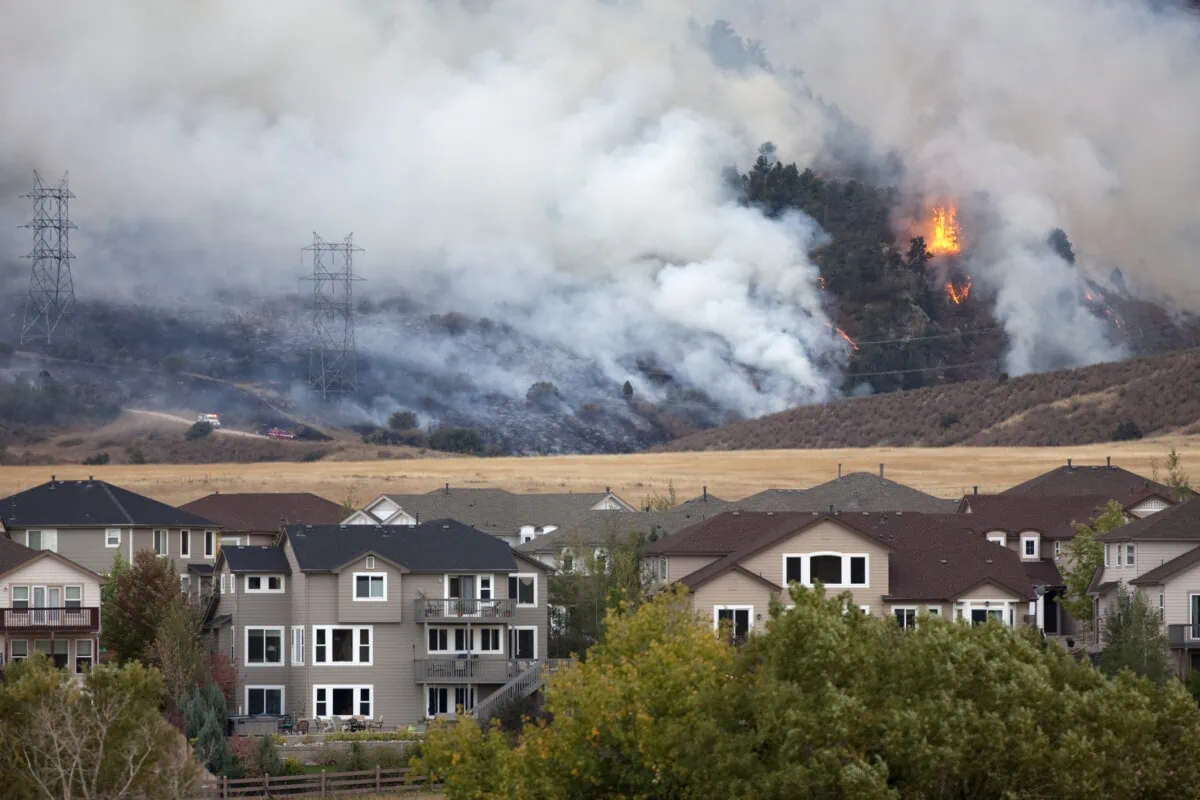
10. Make sure your community is prepared
Protecting your own home is the first step, but is ultimately futile if your neighbors aren’t protected as well. Even if you install state-of-the-art sprinkler and fire detection systems on your property and follow the HIZ guidelines perfectly, water can run out, the power can go out, and fires can spread from your neighbor’s house more quickly than an exterior sprinkler system can put them out.
To truly reduce your wildfire risk, it’s critical to talk to your neighbors and ask them to remove fire risks. For a community to survive a wind-driven fire, each household must properly prepare. One of the primary ways fires spread is by jumping from an unprotected house to a protected house. This means that even if you prepare your house using the HIZ, if your neighbors aren’t prepared, your home is still at risk.
Preparing for a wildfire hinges on small daily tasks and community responsibilities more than individual action. Communities must prepare together to reduce the risk of burning together.
How to prepare for a wildfire: final thoughts
While there is no surefire way to protect your home from wildfires, preparing individually and as a community can help reduce risk. While reducing your risk is the best short-term action, the best long-term solution is to reduce your carbon footprint and slow the effects of climate change. If you have any questions, contact your local authorities or utility company.
This article is for informational purposes only. Individual results may vary. This is not intended as a substitute for the services of a licensed and bonded home services or fire prevention professional. Always seek expert advice and follow all official guidance before, during, and after a fire.

Leave a Reply